
Lilongwe has become the first African capital city to sign the Fossil Fuel Non-Proliferation Treaty to combat climate change.
It has joined forces with Mzuzu as the only two Malawian cities in the global shift from fossil fuels to renewable energy.
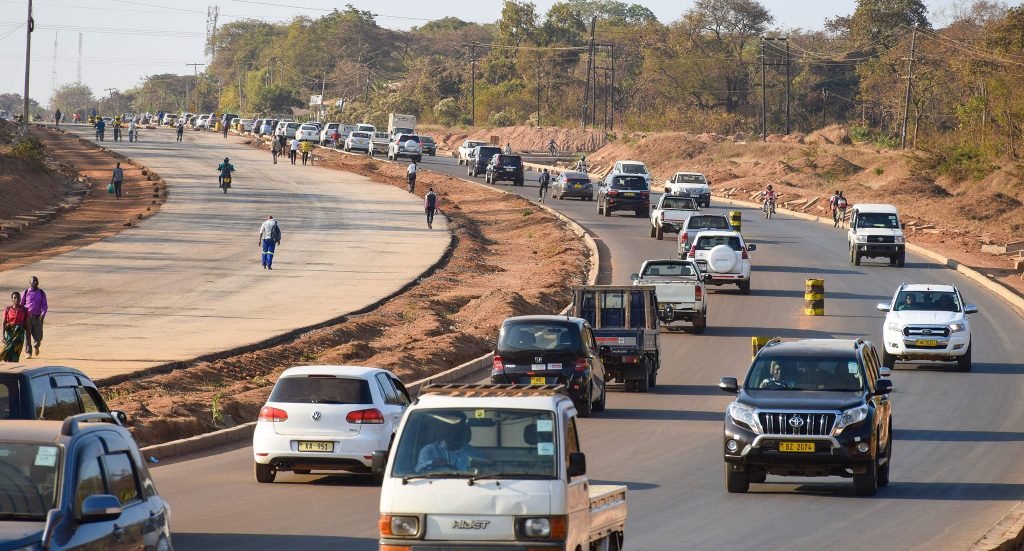
The two cities, which house over 1.2 million people, bear the brunt of flooding and disasters made more frequent and devastating by climate change.
However, they are powered largely by fossil fuels that fan global warming contrary to the Paris Agreement to reduce carbon emissions that fuel climate change.
The rising momentum for renewable energy signals the signatories’ commitment to climate action amid a global movement to phase out fossil fuels.
“We are ready to do our part in making Lilongwe a fossil fuel-free zone,” says Lilongwe City deputy mayor Ruth Chingwalu. “Our nation’s vulnerability to climate change, caused by fossil fuels, has had devastating effects on our communities. Urgent action at all levels and international cooperation are essential to ensure a safe and liveable future for us all.”
Mzuzu City mayor Kondwani Nyasulu says keeping fossils in the ground will help tackle the root cause of climate change.
He says: “To bring the Malawi 2063 national agenda target within sight and deliver the economic and social transformation required, cities must pursue a faster, deeper and more ambitious approach to addressing climate change and greenhouse gas emissions.
“Mzuzu City Council would like to join others in phasing out coal, oil, gas extraction and thin plastic production by endorsing the Fossil Fuel Non-Proliferation Treaty.”
Malawi is particularly vulnerable to climate change.
The country has experienced 19 major flooding events and seven droughts in the past five decades.
The climate crisis is worsened by the global appetite for fossil fuels responsible for nearly 90 percent of carbon emissions in the last decade.
Slightly over three quarters of Lilongwe residents live in informal settlements, where climate-related disasters are not only frequent but also severe.
Frequent floods cause widespread displacement, destruction and deaths.
By endorsing the continental treaty, Lilongwe and Mzuzu are positioning themselves as climate leaders despite their minimal greenhouse gas emissions, mostly from the transport sector.
They beckon other cities to rally behind the growing movement against fossil fuels.
The proposed legal mechanism seeks to end the expansion of fossil fuels, enable a fair phase-out of fossil fuels and facilitate finance and technology transfers for an equitable energy transition.
“There is far too much sun shining, wind blowing, and water flowing through our continent for us to continue deepening fossil fuel extraction,” says Seble Samuel, head of Africa campaigns and advocacy for the treaty.
For the campaigner, the two cities’ call for a fossil-free future should echo across the continent for a people-focussed just transition to renewable energy
Local environmental activists have hailed the two cities’ endorsement of the treaty.
“The environmental debt from fossil fuels needs to be settled now before Mother Nature declares us bankrupt,” says Steven Derreck Chisendenji. “We hope that endorsements of the treaty by the mayors of Lilongwe and Mzuzu will prompt other cities and countries across the continent to follow suit and garner greater support for the treaty, for the sake of humanity and nature.”
The treaty’s signatories include 13 nation-States, 110 cities and local governments, 2 500 civil society organisations, over 3 000 scientists and academics.
Other backers include 101 Nobel laureates and at least 600 parliamentarians.
As more cities join in and lead the charge, the push for a just and sustainable future is growing stronger.
Source: The nation-Kondwani-kamiyala-staff writer-29August 2024.